
Resumes Are About 18 Percent Right. Your Hiring Process Deserves Better.
A resume and one good interview predict sales success about 18 percent of the time. A structured, data-backed process gets you past 70 percent. The difference is a bad hire you never make.
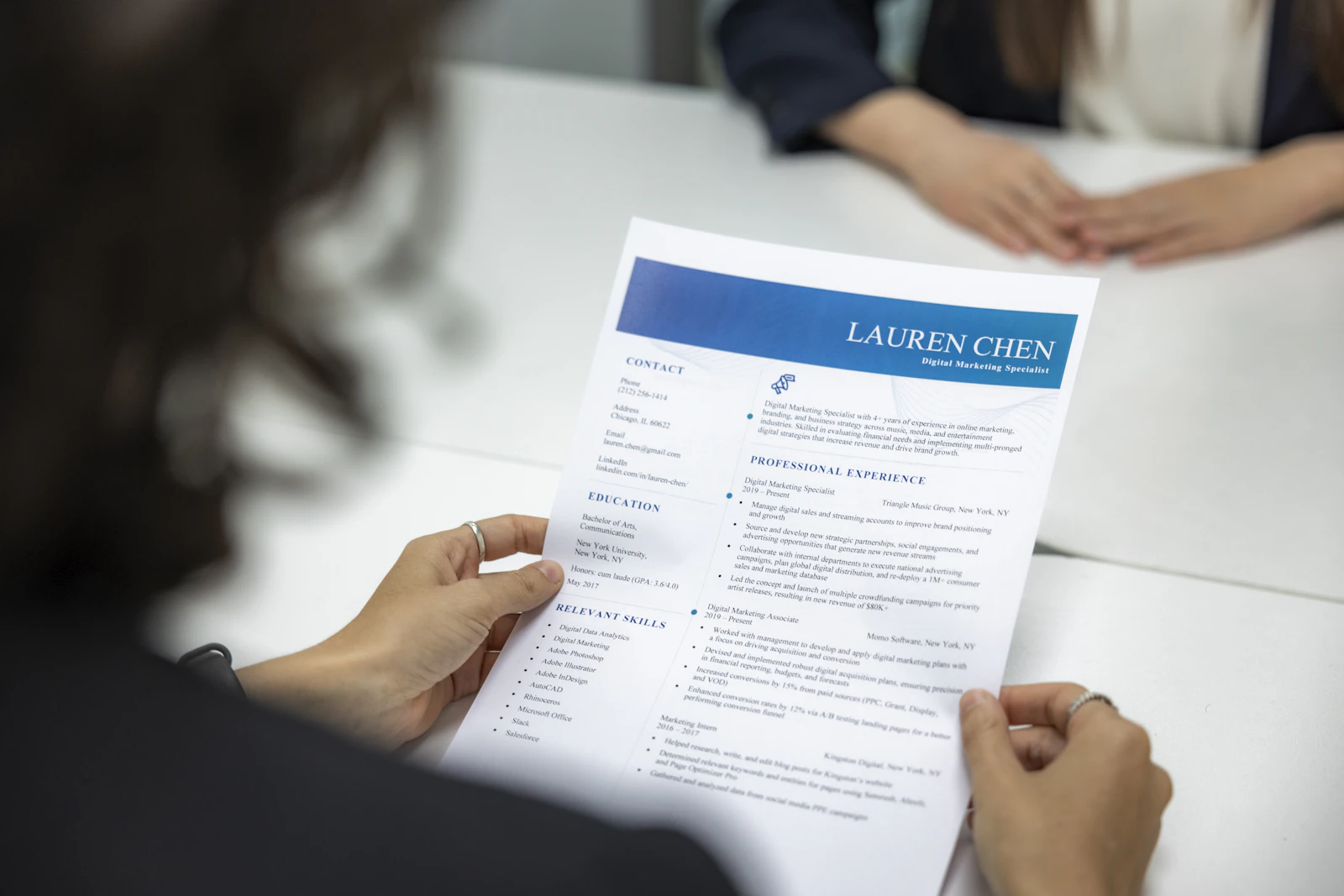
Every owner I work with has the same story, with different names in it. Great interview. Strong resume. Sold themselves brilliantly. Ninety days later there is nothing in the pipeline, and by month six you are having a conversation you did not want to have.
The instinct afterward is to blame the candidate. The more useful conclusion is that the process that selected them was never capable of predicting the outcome you wanted.
Why the resume betrays you specifically in sales
A resume is a document a salesperson wrote about themselves, for the purpose of being bought. You are evaluating a sales rep's best piece of sales collateral and treating it as evidence.
The interview compounds it. A strong interviewer in a sales interview is demonstrating exactly one skill: performing well in a high stakes conversation where the other party is predisposed to like them. That is not the job. The job is a cold call to someone who is annoyed you rang, a fourth follow up with no reply, and holding price against a buyer who has three competing quotes on the desk.
Combined, a resume plus one unstructured interview is roughly 18 percent predictive of on the job sales success. A structured process built on objective assessment data gets you above 70 percent.
What actually predicts it
The things that separate a rep who works out from one who does not are mostly invisible on paper:
- Will to sell. Desire, commitment and outlook. Not enthusiasm in an interview. The willingness to do uncomfortable work on a Tuesday afternoon in February.
- Hidden weaknesses. Need for approval, difficulty talking about money, an emotional response to rejection. Every one of these is common, every one of these is coachable, and every one of these will cost you a full ramp cycle if you find it after the offer instead of before.
- Fit to your actual sale. A rep who closed inbound demos at a software company has not proven they can build territory from nothing in a market where the buyer already has a supplier they are happy with.
The four pieces of a hiring system
None of this requires a large HR function. It requires doing the same four things in the same order every time.
- Define the role against your sale, not a template. Write down what this person must be able to do in your market, with your margins, against your competitors. If two people on your leadership team would write different versions of this, you are not ready to post the job.
- Assess before you fall in love. Objective sales specific assessment data, early, before the charm has had time to work. The point is not to disqualify people. The point is to know what you are buying and what it will take to develop them. More on what an assessment shows.
- Interview against the findings. Use the assessment to write the interview. If the data flags a need for approval, build a scenario where the pleasant answer and the correct answer are different, and see which one they choose.
- Onboard to a ramp, not an orientation. Week by week, what they must know, do and produce. If your onboarding is a login list and a ride along, your 90 day outcome is being left to chance. Here is a 90-day sales onboarding process that works.
What a bad hire costs, honestly
Owners tend to count the salary. The salary is the small part. Add the recruiting cycle you will run twice, the manager hours spent propping them up, the ramp time that produced nothing, and then the part nobody puts on a spreadsheet: a territory that sat unworked for nine months while a competitor called on it every week.
You do not get that year back. Which is why the hiring process is worth more attention than almost anything else on your list, and why running it the same way every time matters more than running it perfectly.

John spent more than 30 years in the building materials industry, where he led a 40-person sales team and oversaw more than $250 million in annual revenue. He now coaches sales leaders and their teams through PowerUp Sales Consulting.
More about JohnFree tool
The F.A.S.T. Sales Team Scorecard
Answer 12 questions about your sales team and get an instant score on Focus, Accountability, Structure and Teaching and Coaching. It takes about three minutes and shows where your team is strong and where results are slipping.
Free, with results on screen



Talk with John About Your Sales Team
Book a free consultation call with John F. Powers. You describe what your sales team is dealing with, and he tells you how he would approach it. There is no cost and no obligation.
Book a F.A.S.T. consultation