
A Sales Onboarding Process That Gets New Reps Selling Sooner
Most new sales hires are left to figure things out on their own. A structured 90-day onboarding plan shortens ramp time and tells you early whether the hire is working out.

Companies spend a great deal of time and money finding a new salesperson and very little time getting that person productive. In many businesses, onboarding means a laptop, a product catalog, a few days of riding along with a senior rep and then a territory. The new hire is expected to figure out the rest.
Some people succeed in that situation, but many good hires struggle for months, and some leave before they ever reach full productivity. A structured onboarding process changes that. It also gives you something just as valuable: an early, honest read on whether the hire is going to work.
Define what ramped means
Before you plan the first day, decide what a fully productive rep looks like in your business. Write down the activity levels, pipeline size and revenue you expect from a rep who has been in the role for a year. Then work backward and set milestones for day 30, day 60 and day 90.
Without these milestones, a manager has no way to tell the difference between a rep who is ramping normally and one who is falling behind. Both look busy in the first few months.
The first 30 days: learn the business
The first month is about knowledge and relationships. A new rep should learn the products and services, the main customer types, the most common problems customers bring to you and how your company solves them. They should also learn the internal process: how quotes are built, how orders move through operations and who to call when something goes wrong.
By the end of the month, the rep should be able to explain your value to a customer in their own words. A simple test is to have them present it to their manager as if the manager were a buyer.
Days 31 to 60: sell with support
In the second month, the rep starts running their own conversations with support close by. The manager or a senior rep joins calls, and every call is followed by a short debrief that covers what the customer said, what questions the rep asked and what the rep would do differently next time.
This is also the time to hold the rep to activity targets. The revenue may not be there yet, but the meetings, conversations and proposals should be. Activity is the earliest signal you have.
Days 61 to 90: own the territory
By the third month, the rep should be managing their own pipeline and working toward the 90-day milestone you set at the start. Coaching continues, but the manager moves from riding along to reviewing deals and pipeline in a regular weekly meeting, the same way they do with the rest of the team.
Hold a real 90-day review
At day 90, compare the rep's results to the milestones. If they are on track, say so and set the targets for the next quarter. If they are behind, look at why. Sometimes the gap is a skill that coaching can fix. Sometimes the hire was the wrong fit. Either way, you are making that decision at 90 days with real information instead of at 12 months with a lot of hope and a lot of lost revenue.
Onboarding starts with hiring
The best onboarding plan cannot fix a poor hiring decision. Resumes and interviews alone are only about 18 percent predictive of sales success. A structured hiring process that includes sales-specific assessments raises that above 70 percent, and it also tells you in advance where a new hire will need the most coaching. That information makes your onboarding plan far more targeted from day one.
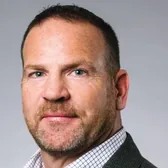
John spent more than 30 years in the building materials industry, where he led a 40-person sales team and oversaw more than $250 million in annual revenue. He now coaches sales leaders and their teams through PowerUp Sales Consulting.
More about JohnFree tool
The F.A.S.T. Sales Team Scorecard
Answer 12 questions about your sales team and get an instant score on Focus, Accountability, Structure and Teaching and Coaching. It takes about three minutes and shows where your team is strong and where results are slipping.
Free, with results on screen



Talk with John About Your Sales Team
Book a free consultation call with John F. Powers. You describe what your sales team is dealing with, and he tells you how he would approach it. There is no cost and no obligation.
Book a F.A.S.T. consultation